Kevin Zhang Derby: Modeling the Future of Space Exploration
Kai Phung
University of Arizona
August 2026
Editor’s note: The order of the release of our team profiles has been adjusted to celebrate Kevin’s successful PhD defense last week (8/13/2026). Congrats Kevin!
The Man Behind the Models
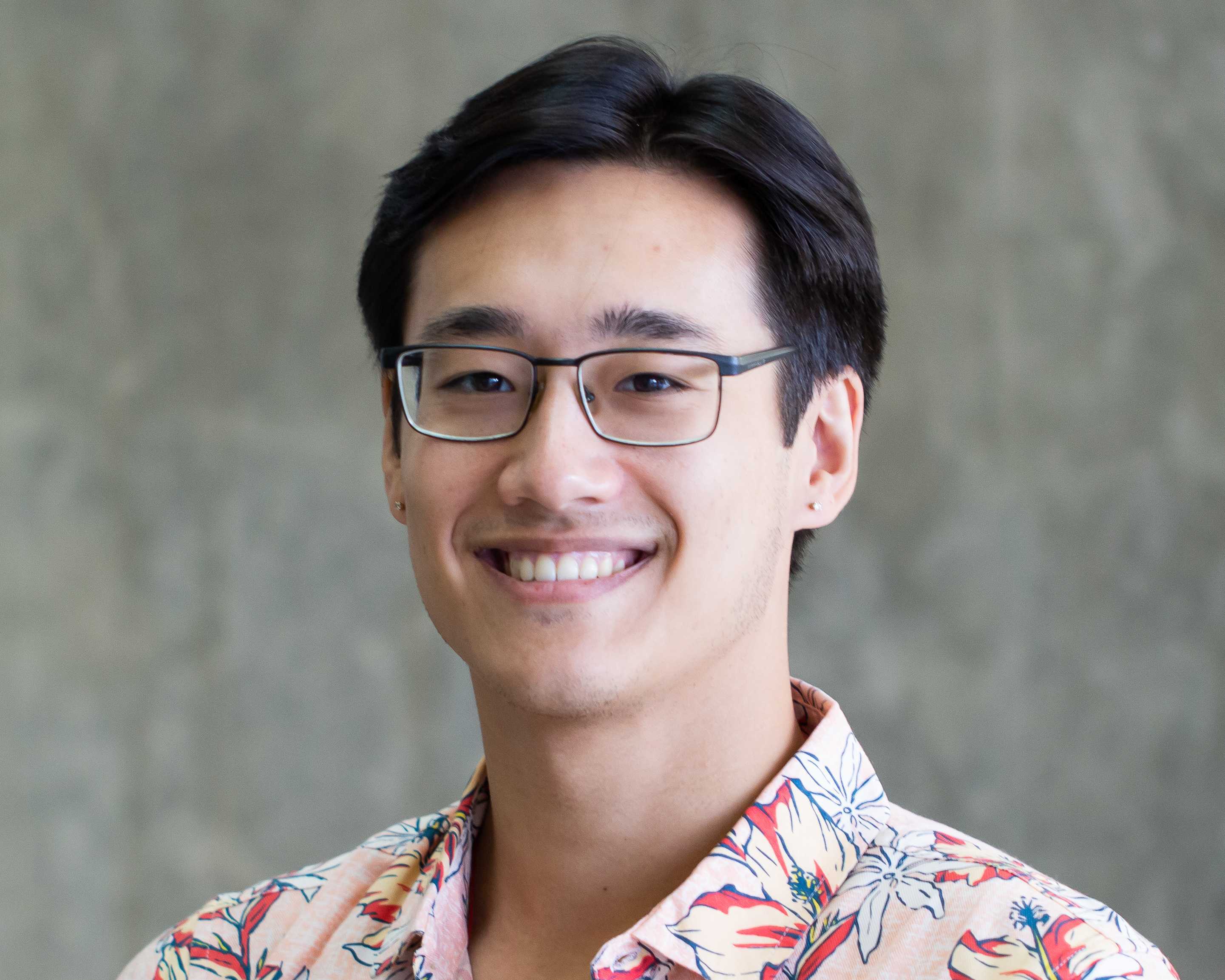
Sitting with Kevin Zhang Derby under the shade of an orange tree by the Steward Observatory, I realized the monumental amount of preparation that goes into space telescopes. Kevin’s job is to create computer models that simulate the performance of space instruments, testing whether their hardware and algorithms will actually work. Because space equipment is so expensive and time-consuming to build, these digital tests are a crucial first step.
Kevin prepared for his role on the University of Arizona Space Astrophysics Lab (UASAL) team through a unique path.
- Biomedical Engineering: His undergraduate degree was in biomedical engineering.
- Microscope Research: He joined a lab that designed microscopes during undergrad, where he discovered his love of optics.
- Graduate Research: He decided to go deeper into this field by joining the graduate program at the U of A.
The UASAL team features an incredible variety of experts, and Kevin plays a crucial role in ensuring that every part can withstand the harsh conditions of space before it ever leaves the ground.
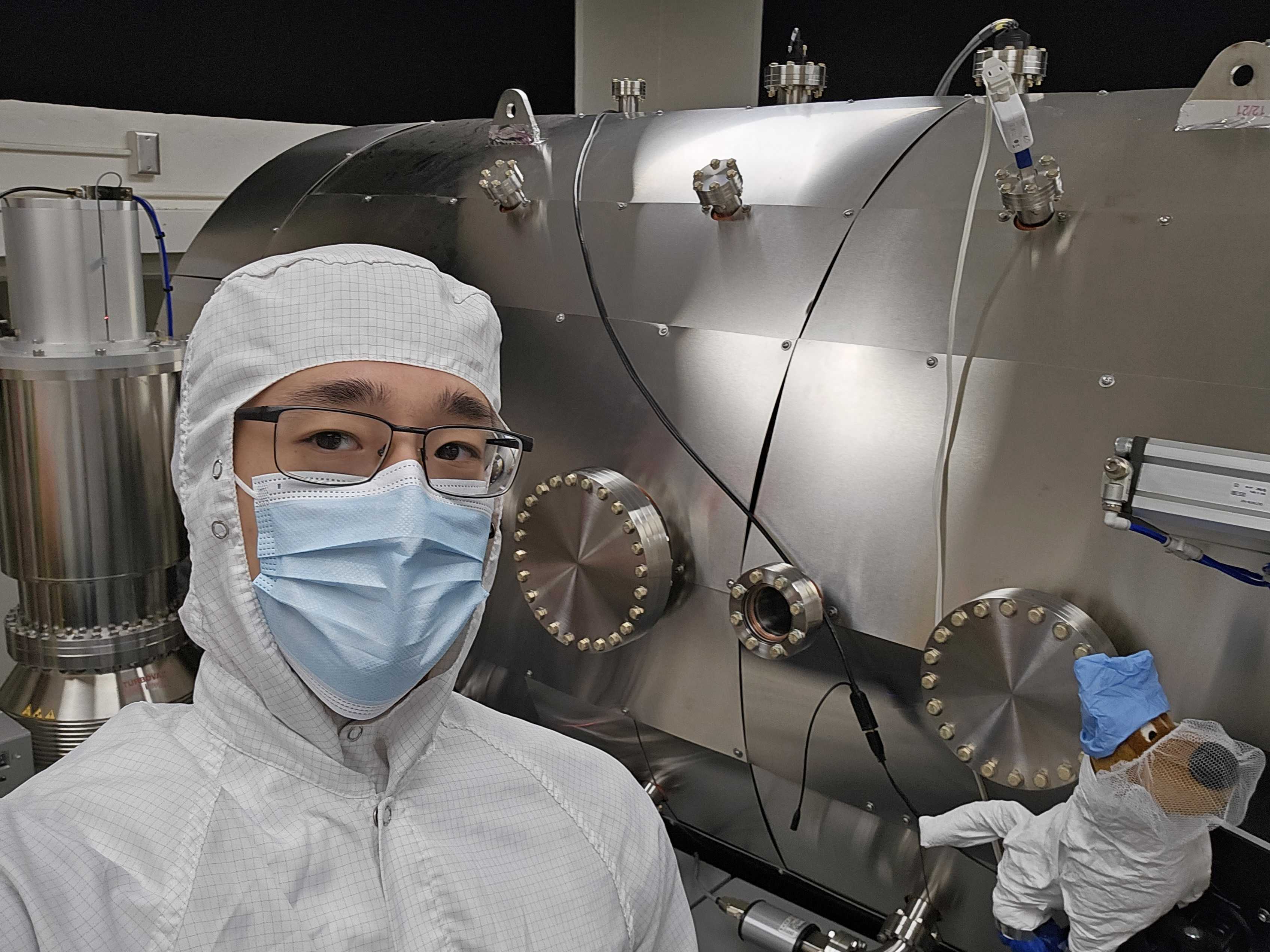
Kevin in the University of Arizona thermal vacuum chamber that holds the coronagraph testbed
Teamwork and End-to-End Modeling
Many UASAL team members do computer simulations in conjunction with the rest of the Center for Astronomical Adaptive Optics (CAAO). The synergy of the different labs located on the fourth floor of the Steward Observatory is what creates the ecosystem needed for these huge projects to move forward. What makes Kevin’s work unique is his focus on end-to-end modeling, which he describes as “a fancier term for trying to throw in as much detail as you can into a model.” The strict purpose of adding this intense detail is to ensure that “when we do simulate a science picture, it mirrors the performance that we would expect out of the actual instrument once it’s built.” He explains that ideal images are useless to test because “we’re gonna have to deal with errors one way or another at some point. So, we want any simulated data now to have all that baked into it, so that we know how to deal with it later on.”
Coronagraphy & “Digging a Dark Hole”
The UASAL team specializes in coronography, which sounds like the making of a dance routine; however, at its core, it involves blocking out the light from stars to see exoplanets. Within this, Kevin takes this mission a step further by “digging dark holes.” While the coronograph will block out much of the light, there will still be leakage, which can create “speckles” in the image that can be confused for exoplanets. Kevin explains how the team overcomes this challenge by “commanding the deformable mirror to get rid of these blobs within this region that we’ve specified becomes completely dark. And then the idea is, if there is a tiny little planet in here, we’ll be able to see it.” Furthermore, because the telescope environment is constantly shifting, “once you dig it, these things aren’t static; they’re gonna change over time, so you also have to maintain the dark hole.” Kevin specializes in an algorithmic approach called an SCC (Self-Coherent Camera) to do this.
Getting Things Back in Place with Multi-Field Phase Retrieval (MFPR)
The last part of Kevin’s work, which I want to highlight today, is what he does to help telescopes after the turbulent launch into space. Kevin notes: “Rocket launches are super violent. So all of your optics that you’ve spent a bunch of time aligning and making sure everything’s nice, in focus, and perfect… launch it into space and it’s all gone. So you have to redo all of that in space.” Kevin works on an algorithm called Multi-Field Phase Retrieval (MFPR), which acts as the final tier of this recovery process: “the algorithm that I’m working on would be the last step in all of that. This is the quote-unquote fine alignment algorithm. Once you’re pretty close, this will let you clean up all residual errors that you have.” In summary, the work that Kevin and the UASAL team do is crucial to the operation of multi-million-dollar telescopes that help us look deeper into space and into our own capabilities to create and build.
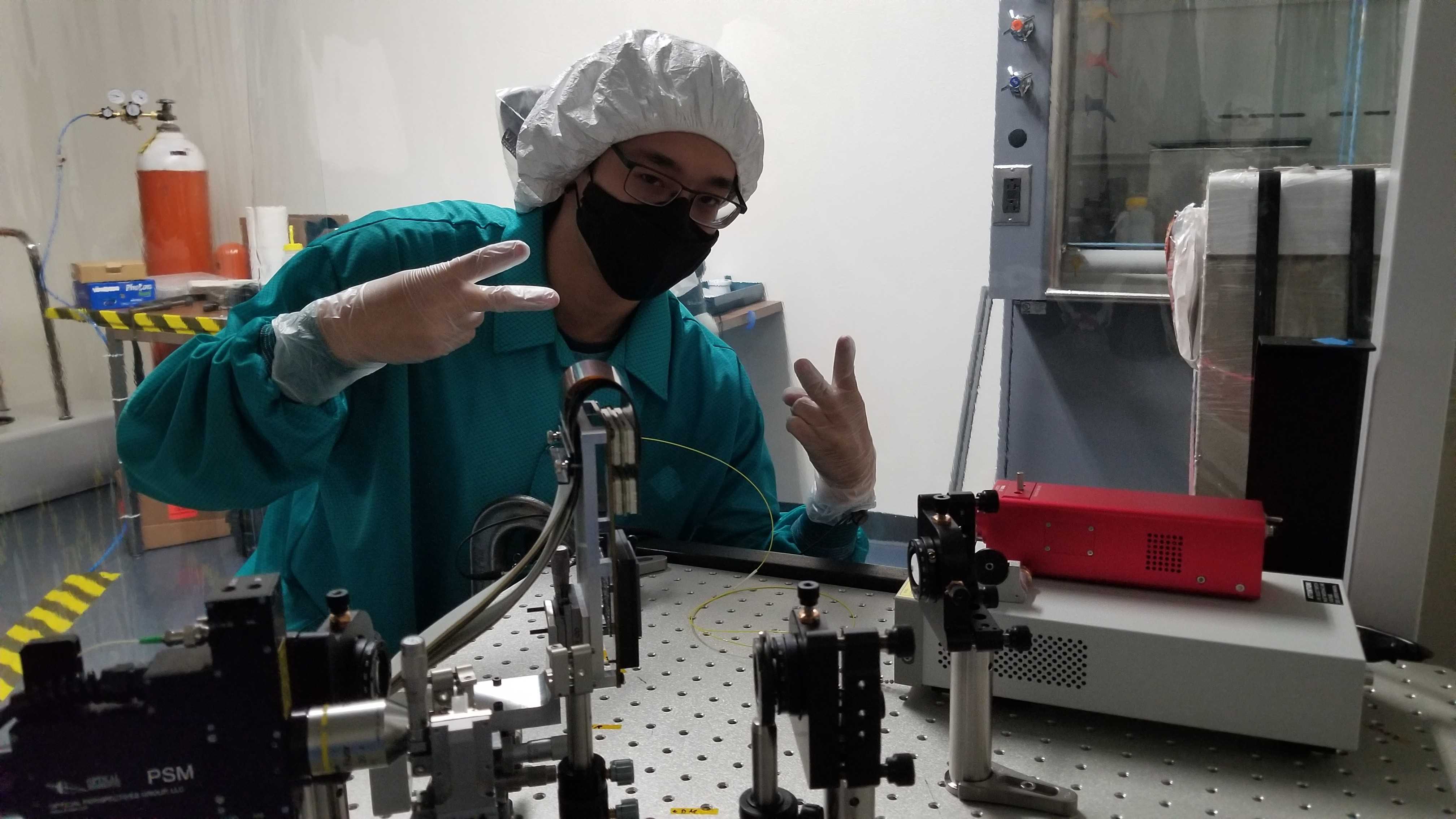
Kevin working on the first alignment and assembly of the coronagraph testbed